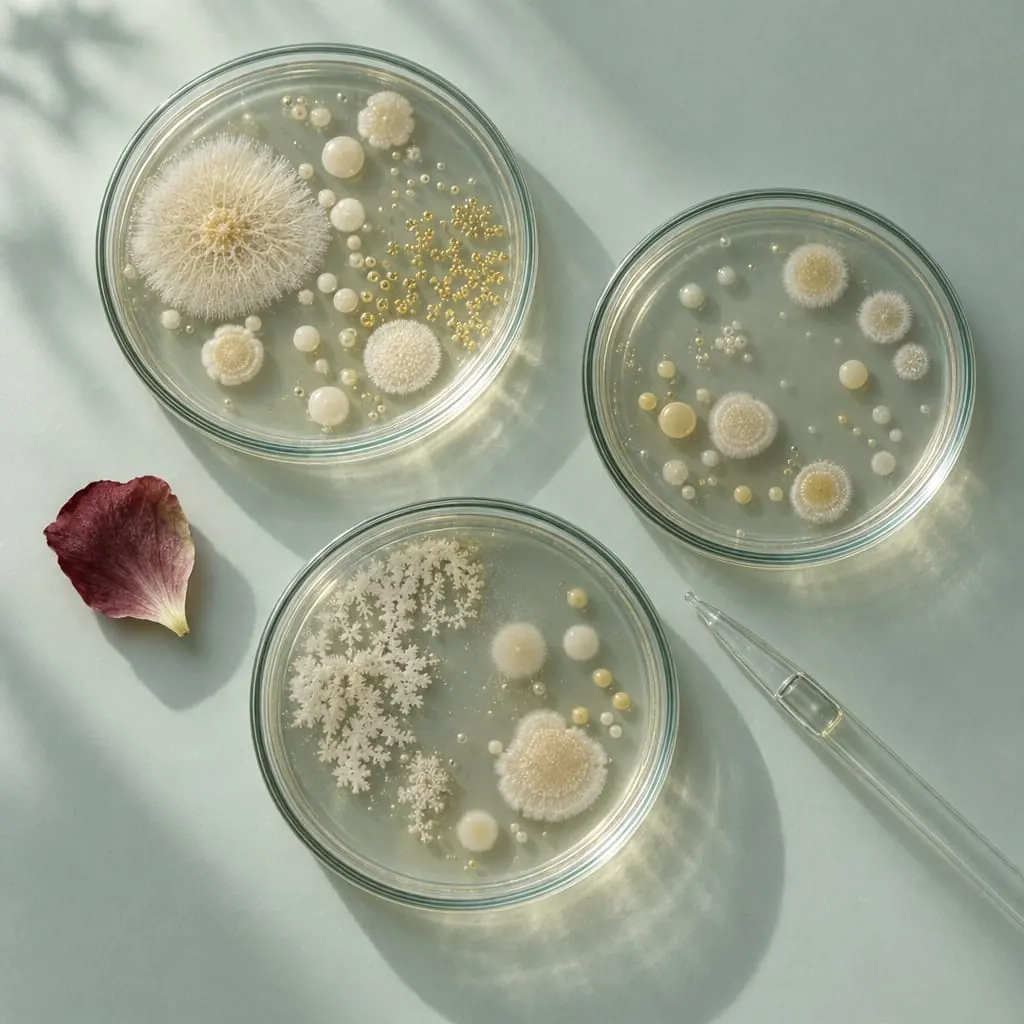
What are bioferments and why are they changing cosmetics?
Fermentation has been with us for thousands of years – in pickles, kefir and sourdough bread. Cosmetic biotechnology brings the same principle into the laboratory. Here is what a bioferment is, how it is made and why more and more brands use it in their formulations.
A bioferment in one sentence
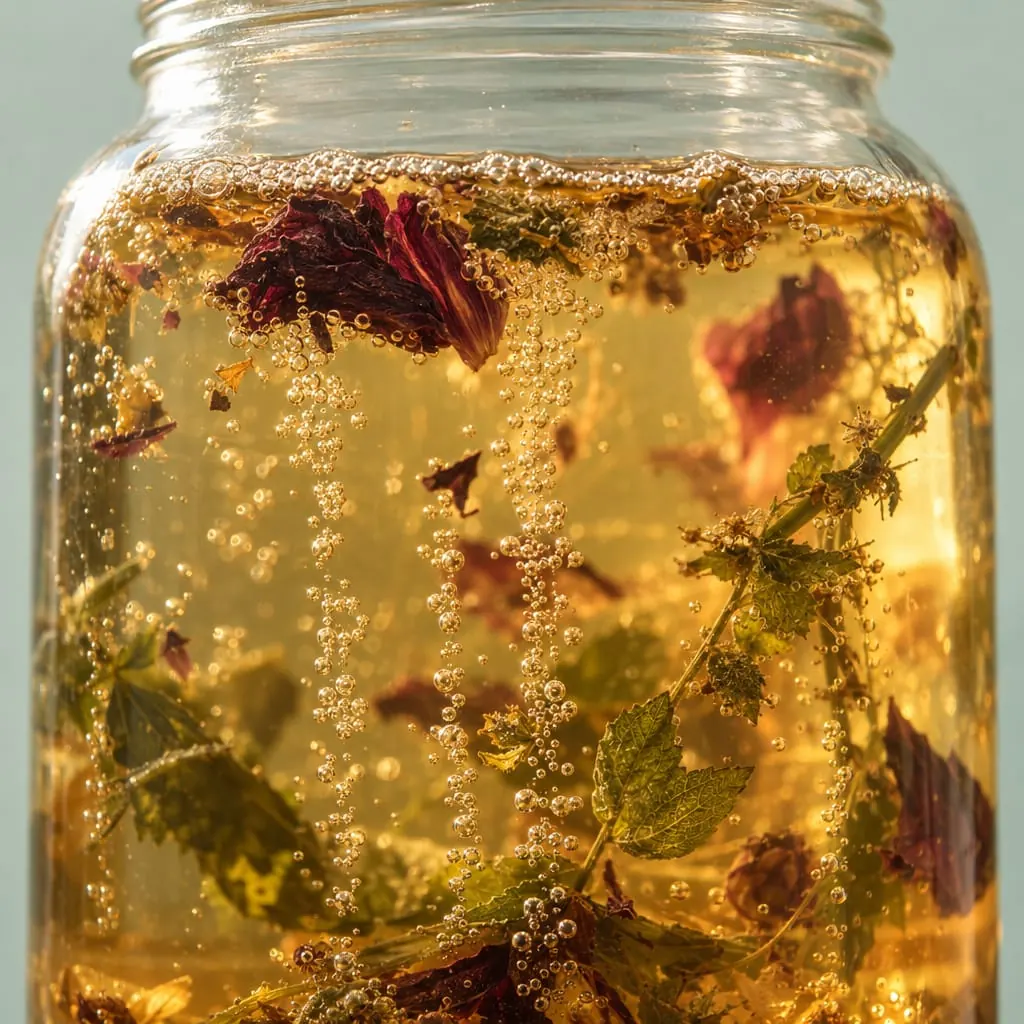
A bioferment is a cosmetic ingredient obtained by fermenting natural plant materials with microorganisms – most often lactic acid bacteria, yeasts or fungi. The process breaks the ingredients down into smaller, more readily absorbed forms, increasing their efficacy and bioavailability.
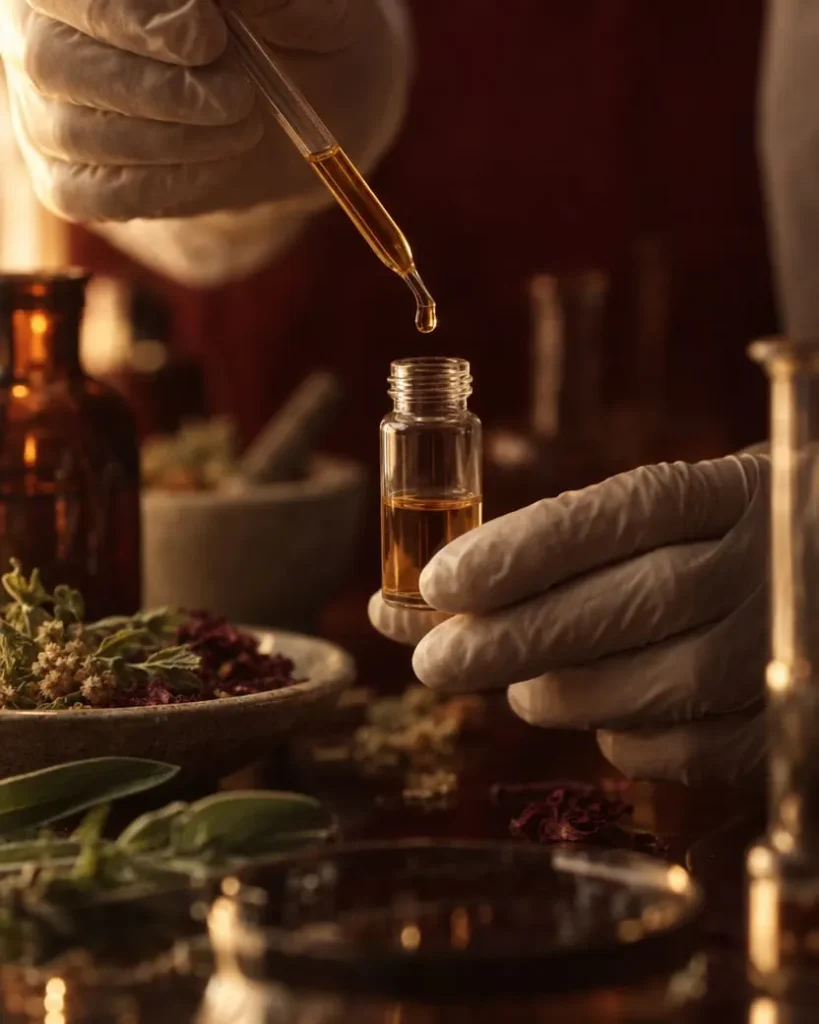
Fermentation itself is nothing new. The difference is that in cosmetic biotechnology nothing is left to chance: the process runs under controlled conditions, with carefully selected raw materials and microorganisms, and the finished ingredient is tested.
How is a bioferment made?
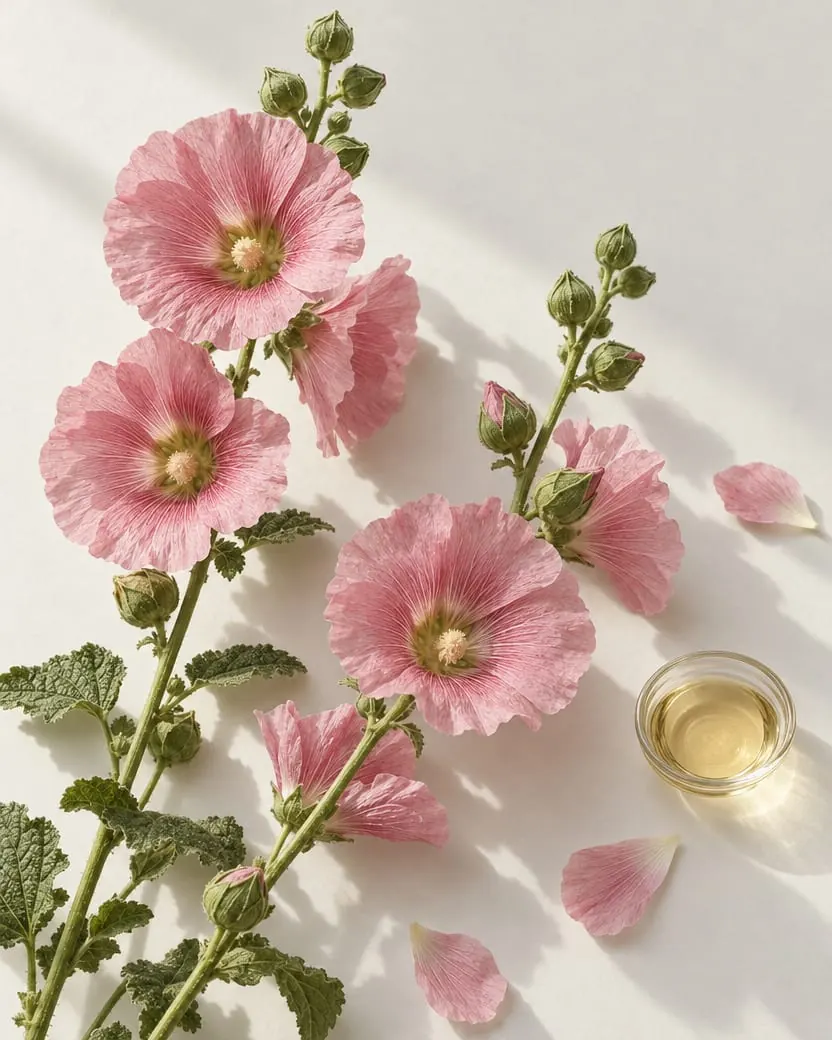
- Choosing the raw material. It all starts with a plant with valuable properties – in our range, hollyhock, bamboo and sage.
- Selecting the microorganisms. Strains of lactic acid bacteria, yeasts or fungi are matched to the raw material and to the effect the finished ingredient should deliver.
- Controlled fermentation. The microorganisms break complex plant compounds down into smaller molecules. The result is a concentrated, active form of the raw material – richer in postbiotics and phytonutrients.
- Filtration and quality control. Once the process is complete, the liquid is filtered and the finished raw material is tested. Hence the term Ferment Filtrate in INCI names.
Forget standard extracts. A bioferment is a biotechnological revolution in skincare, where nature meets science.
What does the skin gain?
From a skincare perspective, fermentation brings a few concrete benefits:
- Better absorption. Smaller molecules are more readily absorbed, so active ingredients work more effectively.
- Postbiotics and phytonutrients. They strengthen the protective barrier, deeply hydrate and help rebalance the skin’s natural microbiome.
- Antioxidant potential. In our research, creams containing hollyhock and bamboo bioferments showed a significantly higher antioxidant potential than the same formulations without the bioferment.
- Gentleness. In patch tests of creams with our bioferments, 100% of participants reported no irritation or allergic symptoms.
Detailed results – hydration, TEWL, pH, elasticity and wrinkles – are on our Research page.
How to spot a bioferment in an ingredient list
In an INCI list, a bioferment is usually given away by the word Ferment – most often as Ferment Filtrate, preceded by the Latin name of the raw material. Examples from our range:
Alcea Rosea Ferment Filtratehollyhock biofermentBambusa Vulgaris Ferment Filtratebamboo bioferment
It is a useful clue both for people reading labels and for R&D teams comparing raw materials from different suppliers.
Summary
A bioferment combines the best of plants with the capabilities of microorganisms. The result is an ingredient that is concentrated, better absorbed and skin-microbiome friendly – and, with the right research, one whose action can be documented.
Key takeaways
- Bioferment = plant raw material + microorganisms + controlled fermentation.
- Smaller molecules mean better absorption and bioavailability.
- Postbiotics support the protective barrier and the skin microbiome.
- In an INCI list, look for “Ferment” or “Ferment Filtrate”.